How Do You Create Emotional Balance in a Fast-Paced City?
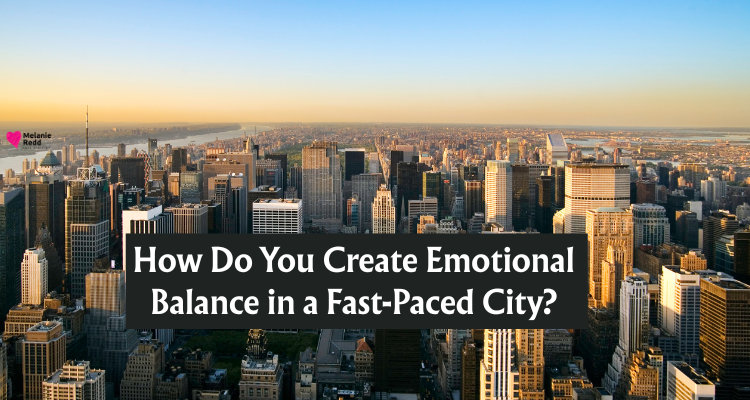
How Do You Create Emotional Balance in a Fast-Paced City
Life in a fast-paced city often moves faster than most people can keep up with. Long commutes, crowded spaces, and constant demands can leave anyone feeling drained. To create emotional balance in this environment, a person must set clear boundaries, make time for rest, and practice simple habits that bring calm into daily life.
Urban living does not have to mean constant stress. With the right approach, people can find moments of peace even in the busiest streets. Small changes such as stepping outside for fresh air, limiting digital distractions, or building supportive connections can make city life feel more manageable.
This article explores the core principles of emotional balance in urban life and offers practical strategies that help people feel steady despite the rush around them. By applying these methods, anyone can create space for calm, improve overall well-being, and enjoy the benefits of city living without feeling overwhelmed.
Core Principles of Emotional Balance in Urban Life
Living in a fast-paced city requires steady habits that help people manage stress, regulate emotions, and adapt to constant change. Daily routines, awareness of personal triggers, and access to supportive resources all play a role in maintaining balance.
Understanding Emotional Balance and Its Importance
Emotional balance means responding to challenges without letting stress or frustration take over. It does not mean avoiding emotions but handling them in a way that keeps both mind and body steady. People who practice balance often notice better focus, calmer moods, and healthier relationships.
One way to support balance is to create routines that limit unnecessary stress. Simple habits such as setting boundaries at work, taking short breaks outdoors, or practicing breathing exercises can help regulate emotions throughout the day.
Professional support also matters. For example, those who need consistent guidance may benefit from psychiatric care in Burbank. Access to professional care provides structured strategies for managing mood and building healthier coping skills.
Recognizing and Managing Urban Stressors
City life often brings long commutes, crowded spaces, and constant noise. These stressors can drain energy and lead to irritability or fatigue if left unchecked. Recognizing these triggers allows people to address them before they escalate.
Practical steps can reduce the impact of these stressors. For example:
- Commutes: Use calming music, audiobooks, or silence to reduce tension.
- Crowded areas: Plan errands during less busy times.
- Noise: Use earplugs or noise-reducing headphones to create a calmer environment.
In addition, setting limits on technology use can protect mental space. Constant notifications and digital overload often add to urban stress, so creating device-free periods supports better rest and focus.
Building Resilience and Adaptability
Resilience helps people recover from setbacks and continue moving forward. In a city environment, adaptability also matters because change happens quickly. Both qualities grow stronger through practice and self-awareness.
Healthy coping tools include journaling, exercise, and mindfulness routines. These activities help people process emotions and regain perspective after difficult days. Small, consistent practices build a stronger sense of control over time.
Support networks also make a difference. Friends, family, or community groups provide encouragement and perspective. By combining personal habits with social connections, individuals create a foundation that allows them to handle the demands of city life with greater steadiness.
Practical Strategies for Achieving Emotional Balance
People often feel mentally drained in a fast-paced city, but simple daily choices can help restore stability. Small actions that support the mind and body can reduce stress, improve focus, and create steadier emotions.
Relaxation and Deep Breathing
Relaxation and deep breathing help people notice their thoughts without judgment. This practice reduces stress by pulling attention away from constant distractions.
Short sessions of 5–10 minutes can make a difference. Breathing exercises can fit into a morning routine or a short break at work. These practices give the brain space to reset, which leads to better focus and emotional steadiness.
A simple technique involves deep breathing:
- Inhale through the nose for 4 seconds
- Hold for 2 seconds
- Exhale slowly for 6 seconds
Repeating this cycle several times can ease tension quickly.
Setting Boundaries and Prioritizing Self-Care
People often feel pressured to accept every demand in a busy city. However, saying yes too often drains energy and creates stress. Setting clear boundaries allows individuals to protect their time and focus on what matters most.
Self-care does not need to be complicated. It may include reading, taking a short walk, or enjoying a quiet meal without distractions. These small acts restore balance and give the mind space to recover from constant noise and activity.
A useful approach is to create a priority list:
- Tasks that must be done today
- Tasks that can wait
- Tasks that do not need attention at all
This method helps people spend energy on meaningful activities instead of spreading themselves too thin.
Exercise and Nutrition for Mental Clarity
Physical health directly affects mental clarity. Regular exercise improves mood by releasing endorphins and reducing stress hormones. Even 20 minutes of walking, stretching, or cycling can improve focus and productivity throughout the day.
Nutrition also plays a large role. A diet rich in vegetables, fruits, whole grains, and lean proteins supports brain function. Processed foods and excess sugar often lead to energy crashes, which increase irritability and reduce concentration.
Simple adjustments such as drinking more water, eating balanced meals, and limiting caffeine can stabilize energy levels. This steady fuel for the body supports clearer thinking and more balanced emotions.
Fostering Self-Awareness and Personal Growth
Self-awareness allows people to understand how their thoughts and behaviors affect their emotions. By reflecting on daily experiences, they can identify patterns that cause stress or frustration. This insight creates space for better choices and healthier responses.
Journaling is one effective tool. Writing down feelings and events helps people recognize triggers and track progress over time. Another useful method is to ask trusted friends or family for honest feedback.
Personal growth develops from consistent effort. Setting small goals, such as learning a new skill or improving communication, builds confidence. Over time, these steps strengthen resilience and create a more stable emotional foundation.

Conclusion – How Do You Create Emotional Balance in a Fast-Paced City?
Life in a fast-paced city often demands steady attention to personal well-being. Simple actions such as setting boundaries, creating routines, and taking short breaks help people stay balanced in busy environments.
They can also benefit from regular exercise, quality sleep, and mindful use of technology. These habits reduce stress and give space for clearer thinking.
Strong relationships add another layer of support. By spending time with trusted friends or family, individuals build a sense of stability that helps them handle daily pressures.
In the end, emotional balance comes from small, consistent choices that place health and peace of mind at the center of daily life.
Were you encouraged by what you read?
Then, would you share this article with a friend, co-worker, or family member?
Or, maybe you can send it to a friend or family member?
This blog occasionally uses affiliate links and may contain affiliate links.
Additionally, Melanie Redd is a participant in the Amazon Services LLC Associates Program.
This is an affiliate advertising program designed to provide a means for sites to earn advertising fees. These are earned by advertising and linking to Amazon.com.
Also, for more on my disclosure policy, click HERE.
© Melanie Redd and Hope Ministry, 2025. Unauthorized use and/or duplication of this material without express and written permission from this blog’s author and/or owner is strictly prohibited.
Further, excerpts and links may be used, provided that full and clear credit is given to Melanie Redd and Hope Ministry.
Please give appropriate and specific directions to the original content.




0 Comments