The Intersection of Faith and Health in Later Life
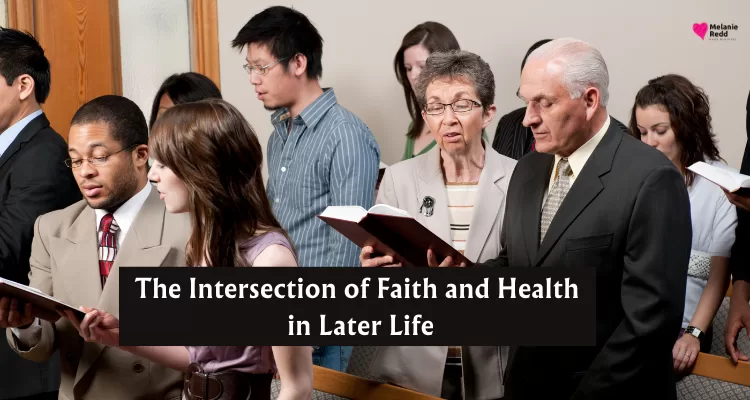
As people grow older, the relationship between their physical health and emotional well-being becomes increasingly complex.
For many seniors, faith and spirituality serve as stabilizing forces that help navigate the physical, emotional, and social challenges that accompany aging.
The connection between faith and health in later life has been supported by research. It shows that spiritual engagement can lead to improved health outcomes, stronger social ties, and a deeper sense of peace. Understanding how faith influences well-being offers valuable insights into holistic approaches to senior care.
In addition, it’s good when mental, physical, and spiritual needs are all considered.
Faith as a Source of Emotional Resilience
Faith provides older adults with a deep sense of emotional strength, helping them navigate the challenges that often come with aging, such as loss, loneliness, and health concerns.
For many, the comfort found in prayer, meditation, or worship reinforces hope and inner peace. These positive effects often extend beyond spiritual comfort, with the benefits driving seniors toward independent living choices that reflect their desire for autonomy, purpose, and continued growth. Believing that their lives hold purpose beyond current struggles allows them to face adversity with calm determination.
This sense of spiritual resilience nurtures emotional balance and encourages a positive outlook. Even more, this helps seniors maintain a healthy mindset and stronger connections to the world around them.
Physical Health Benefits Linked to Spiritual Practice
Beyond its emotional effects, faith can have measurable impacts on physical health. Studies have shown that seniors who engage in regular spiritual or religious activities often experience lower blood pressure, reduced risk of depression, and longer lifespans.
Practices such as mindfulness meditation or prayer can help regulate stress hormones, improving immune function and cardiovascular health. Regular attendance at religious services or participation in spiritual groups may promote consistent daily routines, including better sleep and healthier habits.
These patterns encourage older adults to take better care of their bodies, guided by the belief that maintaining health is part of honoring life itself. The link between faith and physical vitality underscores how deeply mind and body are connected through spiritual discipline.
Community and Belonging in Later Life
Social isolation is one of the most significant risks to mental and physical health among older adults. Faith-based communities often fill this gap by creating opportunities for connection, belonging, and shared purpose.
Places of worship provide consistent social engagement through services, volunteer programs, and study groups that strengthen interpersonal bonds and combat loneliness. These relationships are more than social; they offer emotional reassurance and practical support during difficult times.
Whether through shared meals, prayer groups, or outreach activities, faith communities give seniors a sense of being seen and valued. This sense of inclusion reinforces mental health and can even contribute to longer, happier lives.
Coping with Illness and End-of-Life Challenges
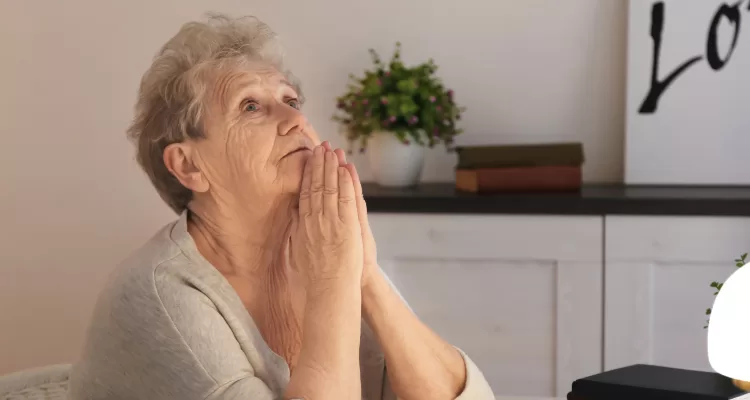
When facing serious illness or the reality of mortality, faith can play a central role in how older adults perceive and manage their circumstances. Spiritual beliefs often shape how individuals interpret suffering, healing, and the idea of life beyond death.
Many find comfort in the belief that illness has a deeper purpose or that they are part of something greater than themselves. This perspective can ease fear and encourage acceptance, allowing people to approach the end of life with dignity and peace.
Faith provides families with a shared language of comfort during these times, supporting patients and loved ones in navigating emotional pain. Chaplaincy and spiritual counseling have become important components of compassionate care for this reason.
Faith-Based Health Programs and Holistic Care
Many healthcare providers have recognized the importance of integrating spiritual support into senior care. Faith-based health programs, pastoral care, and wellness initiatives tailored to religious communities are helping bridge the gap between medicine and spirituality.
These programs promote holistic well-being by addressing physical needs, emotional, and spiritual ones. For example, hospitals and care facilities may collaborate with local clergy to offer counseling, prayer services, or spiritual workshops.
Such partnerships highlight the growing understanding that healing involves nurturing the whole person. By respecting patients’ faith traditions, healthcare providers can foster trust and improve care satisfaction.
Maintaining Faith Amid Changing Realities
Later life often brings changes that can challenge one’s faith, such as cognitive decline, physical disability, or relocation to assisted living environments. Maintaining spiritual connection during these transitions requires adaptability and creativity.
Some older adults turn to virtual worship services, devotional podcasts, or accessible prayer groups when mobility becomes limited. Others find new meaning in mentoring younger generations or engaging in quiet forms of spirituality, such as gratitude journaling and reflection.
Maintaining faith through these adaptations helps preserve identity and continuity. It allows seniors to feel spiritually active and purposeful, even when traditional practices become difficult to sustain.
Final Thoughts – The Intersection of Faith and Health in Later Life
Faith and health intertwine in powerful ways throughout later life, shaping how individuals think, feel, and respond to the challenges of aging. From reducing stress and promoting physical well-being to strengthening community bonds and offering peace in times of uncertainty, spirituality remains a vital element of holistic health.
Recognizing this connection encourages a more compassionate approach to senior care, one that honors the full human experience, uniting body, mind, and spirit in the pursuit of well-being and meaning.
Were you encouraged by what you read?
Then, would you share this article with a friend, co-worker, or family member?
Or, maybe you can send it to a friend or family member?
This blog occasionally uses affiliate links and may contain affiliate links.
Additionally, Melanie Redd is a participant in the Amazon Services LLC Associates Program.
This is an affiliate advertising program designed to provide a means for sites to earn advertising fees. These are earned by advertising and linking to Amazon.com.
Also, for more on my disclosure policy, click HERE.
© Melanie Redd and Hope Ministry, 2025. Unauthorized use and/or duplication of this material without express and written permission from this blog’s author and/or owner is strictly prohibited.
Further, excerpts and links may be used, provided that full and clear credit is given to Melanie Redd and Hope Ministry.
Please give appropriate and specific directions to the original content.



0 Comments