The Essential Guide to Hand Grip Training: Unlock Your Full Potential
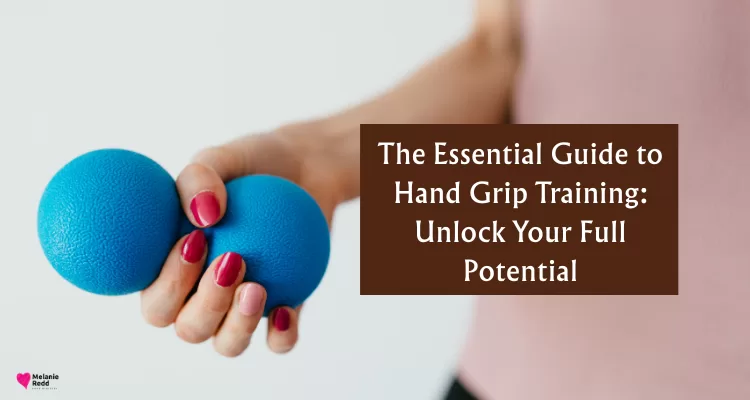
Your hands are your primary tools for interacting with the world, yet grip strength is one of the most underrated aspects of fitness.
From opening stubborn jar lids to excelling in sports like climbing and golf, strong hands provide a foundation for countless daily activities and athletic pursuits. Understanding how to effectively train your grip can transform not only your performance but also your long-term hand health.
The Science Behind Grip Strength
Grip strength serves as a reliable indicator of overall health and longevity. Research has shown correlations between grip strength and cardiovascular health, with a weaker grip associated with increased mortality risk. Beyond health markers, your grip directly influences performance in nearly every upper-body exercise and many sports.
The muscles responsible for grip span from your fingers through your forearms. When you squeeze, you activate the flexor digitorum muscles in your forearm, the intrinsic muscles of your hand, and numerous stabilising structures. This complex network requires specific training to develop fully, which ordinary gym exercises often fail to provide.
Benefits of Dedicated Grip Training
Enhanced Athletic Performance
Athletes across disciplines benefit from superior grip strength. Rock climbers rely on finger and hand strength to maintain holds on challenging routes. Golfers generate more clubhead speed with stronger hands and wrists. Martial artists improve their grappling control, whilst tennis players gain better racquet stability through impact.
Injury Prevention and Rehabilitation
Strong hands and forearms help prevent common overuse injuries like tennis elbow and carpal tunnel syndrome. The connective tissues in your hands and wrists become more resilient through progressive training, reducing strain during repetitive movements. For those recovering from hand or wrist injuries, controlled grip training aids rehabilitation by rebuilding strength gradually.
Functional Independence
As we age, maintaining grip strength becomes crucial for independence. Simple tasks like carrying shopping bags, opening containers, and maintaining balance whilst using handrails all require adequate grip. Regular training helps preserve these capabilities well into later years.
Effective Training Methods
Progressive Resistance Training
The most effective approach to building grip strength involves progressive overload using a hand grip strengthener. These tools allow precise resistance adjustment, enabling you to gradually increase difficulty as your strength improves. Start with a resistance level you can squeeze for 8-12 repetitions with proper form, then progress to heavier resistances over time.
Isometric Holds
Static holds challenge your grip endurance differently from dynamic squeezing. Hold a gripper in the closed position for 10-30 seconds, or perform dead hangs from a pull-up bar. These exercises build the stamina needed for sustained gripping activities like carrying heavy objects or maintaining holds during climbing.
Finger-Specific Training
Don’t neglect individual finger strength. Exercises that isolate fingers—such as finger extensions with rubber bands or pinch grip training with weight plates—develop balanced hand strength and prevent muscular imbalances that could lead to injury.
Creating Your Training Program
Consistency trumps intensity when building grip strength. Train your grip 3-4 times weekly, allowing at least one rest day between sessions for recovery. Each session should include 3-5 exercises covering different grip patterns: crushing grip, pinch grip, and support grip.
Begin with a thorough warm-up, including wrist circles and finger flexion/extension movements. Progress through your exercises systematically, focusing on control rather than speed. Finish with gentle stretching to maintain flexibility and promote recovery.
Track your progress by recording resistances used andthe repetitions completed. Many find they can progress to significantly heavier resistances within 6-8 weeks of consistent training, though visible muscle development takes longer.
Frequently Asked Questions
How often should I train my grip strength?
Three to four sessions per week provide optimal results for most people. This frequency allows adequate recovery whilst maintaining consistent stimulus for adaptation. Avoid training grip on consecutive days to prevent overuse injuries.
Can grip training help with arthritis?
Controlled grip exercises can benefit those with arthritis by maintaining joint mobility and supporting muscle strength. However, consult a healthcare professional before beginning any new exercise programme, particularly if you have existing joint conditions. Start with light resistance and focus on pain-free movement.
How long until I see improvements?
Most people notice functional improvements within 3-4 weeks of consistent training. You’ll find everyday tasks requiring grip become noticeably easier. Measurable strength gains typically occur within 4-6 weeks, whilst visible muscle development in the forearms appears after 8-12 weeks.
Should I train both hands equally?
Yes, even if one hand is dominant. Training both hands prevents imbalances that could affect posture and increase injury risk. Most people discover their non-dominant hand is significantly weaker initially, but this gap narrows with consistent bilateral training.
Is it possible to overtrain grip strength?
Absolutely. The hands and forearms contain numerous small muscles and connective tissues susceptible to overuse injuries. Signs of overtraining include persistent soreness, reduced performance, and tingling sensations. If these occur, reduce training frequency and intensity whilst ensuring adequate recovery.
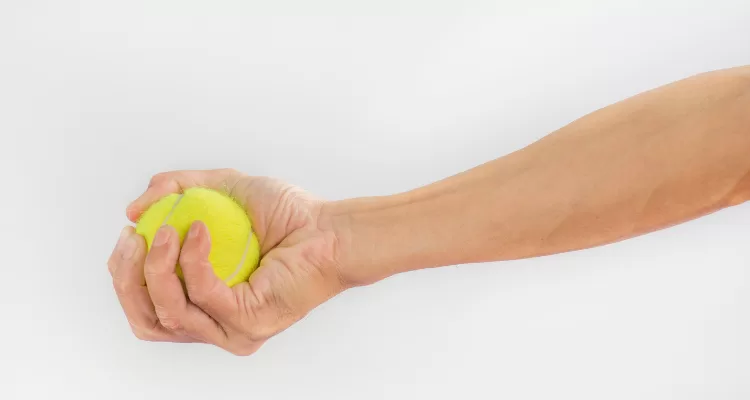
Conclusion – Guide to Hand Grip Training: Unlock Your Full Potential
Developing exceptional grip strength requires dedicated effort, but the rewards extend far beyond the gym. From improved athletic performance to enhanced quality of life through maintained functional independence, strong hands serve you throughout your lifetime.
By implementing a structured training programme with appropriate tools, progressive overload, and adequate recovery, you’ll build the crushing grip strength that supports your goals. Start your journey today, remain patient with the process, and experience how proper grip training transforms your capabilities in sport, work, and daily life.
Were you encouraged by what you read?
Then, would you share this article with a friend, co-worker, or family member?
Or, maybe you can send it to a friend or family member?
This blog occasionally uses affiliate links and may contain affiliate links.
Additionally, Melanie Redd is a participant in the Amazon Services LLC Associates Program.
This is an affiliate advertising program designed to provide a means for sites to earn advertising fees. These are earned by advertising and linking to Amazon.com
Also, for more on my disclosure policy, click HERE.
© Melanie Redd and Hope Ministry, 2026. Unauthorized use and/or duplication of this material without express and written permission from this blog’s author and/or owner is strictly prohibited.
Further, excerpts and links may be used, provided that full and clear credit is given to Melanie Redd and Hope Ministry.
Please give appropriate and specific directions to the original content.




0 Comments