How Red and Infrared Light Impact Your Well-Being
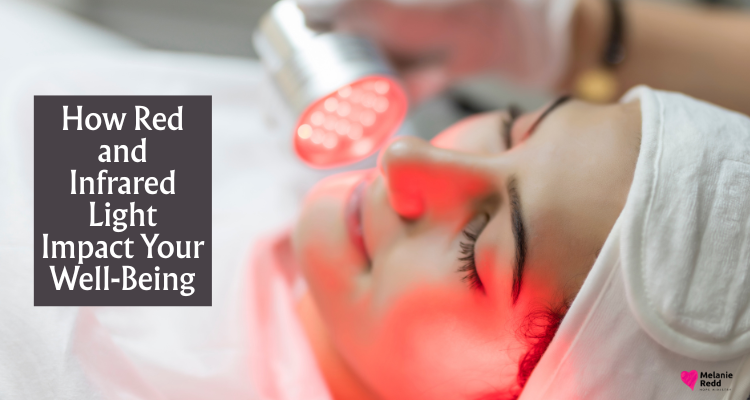
How Red and Infrared Light Impact Your Well-Being.
In recent years, light therapy has gained significant attention for its potential to boost physical and mental health. Once primarily used in medical and athletic settings, these light-based treatments are now accessible in spas, wellness centers, and even at home.
While red and infrared light share similar principles, they differ in wavelength and the depth to which they penetrate the body, resulting in unique benefits. Understanding the science behind these therapies and how they can be integrated into your daily life can help you make informed choices about your wellness routine.
Understanding the Science Behind Red and Infrared Light
Red and infrared light work by delivering specific wavelengths that interact with cells to support natural healing and energy production.
For example, red light therapy uses wavelengths that mainly affect the skin’s surface, encouraging collagen growth and improving blood flow. Infrared light penetrates deeper, reaching muscles and joints to stimulate cellular repair beneath the skin.
The two types of light target the mitochondria, the cells’ energy producers, helping them function more efficiently. This gentle stimulation promotes recovery and regeneration throughout the body. Understanding how light therapy and infrared light differ in their effects helps explain why they’re becoming popular tools for enhancing health and wellness.
Boosting Skin Health and Anti-Aging Benefits
One of the most popular uses of light therapy is for skin rejuvenation. The light stimulates collagen and elastin production, which can reduce the appearance of fine lines, wrinkles, and age spots.
By increasing blood circulation in the skin’s surface layers, red light helps deliver nutrients and oxygen to skin cells.
Also, this accelerates healing and improves texture. This makes it a favored choice in beauty treatments for its anti-aging properties. In addition, it addresses concerns like acne, scars, and sun damage in a non-invasive way.
Supporting Muscle Recovery and Reducing Inflammation
Infrared light’s ability to penetrate deep into muscle tissue makes it a powerful tool for athletes and anyone dealing with muscle soreness. The therapy promotes increased blood flow, delivering oxygen and nutrients to damaged tissues more efficiently. This process helps reduce inflammation, ease stiffness, and speed up recovery after intense physical activity.
People with chronic conditions such as arthritis or joint pain may find relief from regular infrared light sessions. Even more, the deep heat and improved circulation can help alleviate discomfort and restore mobility.
Enhancing Mental Well-Being and Sleep Quality
Emerging research suggests that red and infrared light can have a positive impact on mental health. Exposure to these light wavelengths may help regulate circadian rhythms, supporting better sleep patterns by signaling to the brain when it’s time to wind down.
Improved cellular energy production can support brain function and mood regulation. Some studies even indicate potential benefits for reducing symptoms of depression and anxiety, possibly due to improved blood flow to brain tissues and reduced inflammation in neural pathways.
Strengthening the Immune System
A lesser-known benefit of red and infrared therapy is its potential to enhance immune function. By improving cellular repair and boosting circulation, the body becomes more efficient at transporting white blood cells and nutrients to areas where they are needed.
This can help the immune system respond more effectively to infections or injuries. Reducing chronic inflammation, often linked to weakened immunity, can help the body maintain better resilience. While light therapy should not replace medical treatments, it may be a valuable complementary approach to strengthening the body’s natural defenses.

Practical Ways to Incorporate Light Therapy into Your Routine
Today, light therapy is more accessible than ever, with options ranging from professional treatments in wellness clinics to at-home devices like light panels, handheld units, and infrared saunas. For skin health, smaller red light devices can be used for targeted treatments, while larger infrared panels or saunas provide full-body benefits.
Consistency is key, with many users finding the best results from short, regular sessions several times a week. As with any wellness practice, it’s important to follow manufacturer guidelines and consult with a healthcare provider if you have existing health conditions or concerns.
Closing Thoughts – How Red and Infrared Light Impact Your Well-Being
Light therapy offers a fascinating blend of science and wellness, supporting everything from skin health to muscle recovery and even mental well-being. By understanding how different wavelengths affect the body, you can tailor your approach to meet your specific needs, whether that means targeting fine lines, easing muscle pain, or improving sleep quality.
While not a cure-all, these therapies can be a valuable addition to a balanced lifestyle, providing gentle but effective support for your health. As accessibility grows, so does the opportunity to harness the power of light for a brighter, healthier future.
Were you encouraged by what you read?
Then, would you share this article with a friend, co-worker, or family member?
Or, maybe you can send it to a friend or family member?
This blog occasionally uses affiliate links and may contain affiliate links.
Additionally, Melanie Redd is a participant in the Amazon Services LLC Associates Program.
This is an affiliate advertising program designed to provide a means for sites to earn advertising fees. These are earned by advertising and linking to Amazon.com.
Also, for more on my disclosure policy, click HERE.
© Melanie Redd and Hope Ministry, 2025. Unauthorized use and/or duplication of this material without express and written permission from this blog’s author and/or owner is strictly prohibited.
Further, excerpts and links may be used, provided that full and clear credit is given to Melanie Redd and Hope Ministry.
Please give appropriate and specific directions to the original content.




0 Comments