How to Recognize and Address Speech Delays in Children
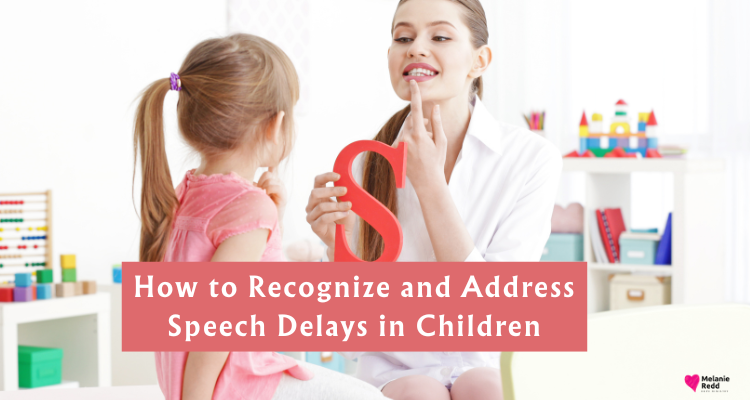
How to Recognize and Address Speech Delays in Children: A Parent’s Guide
Speech and language development play a central role in how children connect with others and succeed in learning. Some children may not reach expected milestones on time, which can signal a speech delay. Recognizing these signs early and taking action can make a significant difference in long-term communication and learning skills.
Parents often notice when a child struggles to form words, follow simple directions, or express needs clearly. While each child develops at their own pace, consistent delays may point to challenges that benefit from early evaluation and support. Practical strategies, such as supporting kids’ speech development with games and activities, can help children make progress in a way that feels natural and enjoyable.
Knowing what to look for and how to respond helps families feel more confident in guiding their child’s growth. With the right information and resources, they can take steps that build stronger communication skills and reduce future challenges.
This information is for general educational purposes and should not replace professional advice from a licensed speech therapist.
Key Takeaways
- Early recognition of speech delays allows timely support
- Understanding common signs helps guide next steps
- Simple strategies at home can encourage steady progress
Recognizing Speech and Language Delays in Children
Children develop speech and language skills at different rates, but there are well-documented milestones that help identify typical progress. Understanding these benchmarks and recognizing when delays occur allows parents and caregivers to seek timely support.
Key Developmental Milestones for Speech and Language
Speech and language development follows a predictable sequence. By around 6–9 months, most infants begin babbling with repeated sounds such as “ba” or “da.” At 12 months, they often say their first words and respond to simple instructions.
By 18 months, children typically use about 10–20 words and can point to familiar objects when named. At 2 years, vocabulary usually expands to 50 or more words, and they start combining two words, like “more juice.”
By 3 years, sentences become longer and clearer, and they can follow two-step directions. By 4 years, most children speak in complete sentences and are understood by people outside the family. Tracking these milestones helps distinguish between typical variation and possible developmental delays that may require evaluation.
Early Warning Signs of Speech and Language Delays
Some signs suggest a child may be experiencing speech or language delays. A lack of babbling by 9 months or no single words by 15 months can be concerning. Limited vocabulary growth between 18 and 24 months is another red flag.
Children who do not respond to their name, struggle to follow simple instructions, or show little interest in communication may need further assessment. Frustration during attempts to communicate, frequent pointing instead of speaking, or difficulty imitating sounds can also indicate delays.
Other concerns include stuttering that persists beyond age 4, unclear speech that is hard to understand after age 3, or regression, where a child loses previously acquired words. Recognizing these signs early allows for timely referral to a pediatrician or speech-language pathologist.
Differences Between Speech and Language Delays
Speech and language delays are related but not the same. Speech delay refers to problems with producing sounds, forming words clearly, or speaking fluently. Common examples include articulation difficulties or stuttering. Language delay involves challenges with understanding or using words and sentences. A child may pronounce words correctly but fail to use them in meaningful ways or struggle to follow directions.
Some children experience both types of delays, often described as speech and language delays. Distinguishing between them helps professionals choose the right intervention, whether that involves articulation practice, building vocabulary, or supporting comprehension skills.
Effective Strategies and Support for Addressing Speech Delays
Children with speech delays benefit most when support begins early, includes professional guidance, and uses engaging methods that encourage consistent practice. Structured therapy, combined with everyday opportunities for communication, helps strengthen language development and improve long-term communication skills.
Benefits of Early Intervention
Early intervention allows children to build communication skills during critical stages of brain development. When delays are identified and addressed promptly, children often make faster progress in speech and language.
Research shows that children who receive support before age three are more likely to reach age-appropriate milestones. This includes improvements in vocabulary, sentence formation, and social interaction.
Parents play a central role by creating a communication-rich home environment. Simple activities such as reading aloud, naming objects, and encouraging turn-taking in conversation provide daily opportunities for speech practice.

Role of Speech Therapists and Professional Support
Speech therapists, also known as speech-language pathologists (SLPs), assess a child’s specific challenges and design individualized therapy plans. They address issues such as articulation, vocabulary growth, and sentence structure.
Professional support often includes structured therapy sessions that focus on targeted skills. For example, an SLP may use repetition exercises, visual aids, and guided conversation practice to help a child improve clarity and confidence.
Parents are usually given strategies to reinforce therapy at home. This may involve practicing sounds, using picture cards, or encouraging the child to describe daily activities. Collaboration between therapists, parents, and teachers ensures that progress continues across different settings. Consistent reinforcement helps children generalize new skills beyond the therapy room.
Conclusion
Recognizing speech delays early allows parents and caregivers to seek timely support and reduce potential long-term challenges. Professional evaluation, combined with consistent home strategies, can make a measurable difference in a child’s communication progress.
Parents play a central role by observing milestones, noting concerns, and collaborating with educators and specialists. Their involvement helps ensure that children receive the right interventions at the right time. With awareness, early action, and continued support, children with speech delays have a stronger chance of developing the skills needed for learning and social interaction.
Were you encouraged by what you read?
Then, would you share this article with a friend, co-worker, or family member?
Or, maybe you can send it to a friend or family member?
This blog occasionally uses affiliate links and may contain affiliate links.
Additionally, Melanie Redd is a participant in the Amazon Services LLC Associates Program.
This is an affiliate advertising program designed to provide a means for sites to earn advertising fees. These are earned by advertising and linking to Amazon.com.
Also, for more on my disclosure policy, click HERE.
© Melanie Redd and Hope Ministry, 2025. Unauthorized use and/or duplication of this material without express and written permission from this blog’s author and/or owner is strictly prohibited.
Further, excerpts and links may be used, provided that full and clear credit is given to Melanie Redd and Hope Ministry.
Please give appropriate and specific directions to the original content.




0 Comments