Why a Mobile Home Might Not Be Necessary Anymore
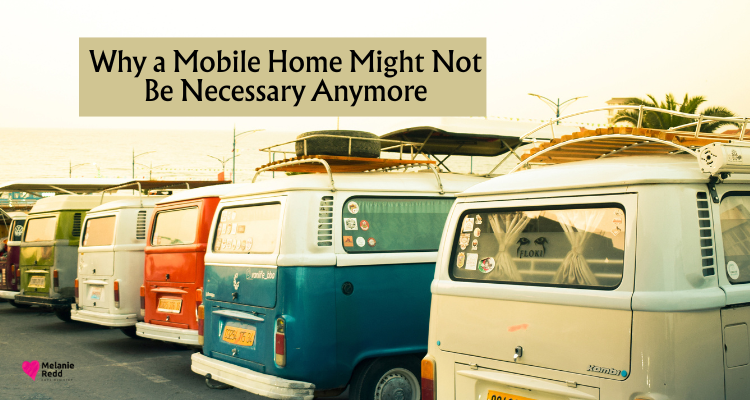
Recent shifts in the housing market and changing lifestyle preferences have led many to reevaluate the necessity of owning a mobile home. Mobile homes offered a convenient and affordable alternative to traditional housing, but circumstances are evolving.
The flexibility of modern living arrangements, increasing real estate options, and changing economic demands may render mobile homes less appealing.
Exploring these factors can provide deeper insights into the direction of housing choices.
Changing Perceptions of Homeownership
Mobile homes were often viewed as a practical choice for homebuyers on a budget. However, the stigma surrounding mobile homes has begun to shift dramatically. Many think they are less desirable compared to traditional homes, leading to a decline in demand.
Brands and builders are now focusing on enhancing the aesthetics and quality of mobile homes, which is a positive step towards increasing their appeal. Consumers favor dwellings that resonate with their personal values and lifestyle choices. This means investing in sustainability and energy-efficient designs.
There are alternative housing options emerging, such as tiny homes or prefabricated houses, which provide modern amenities without the traditional drawbacks of mobile homes. Whether you are looking for a Cash out in Palatka, San Mateo, or anywhere else, finding a cash offer for your mobile home should be simple.
This reliance on traditional financing is shifting as more buyers opt for quick cash transactions that immediate properties can provide. The advancements in modular construction lean towards homes that compete directly with conventional properties.
Rising Real Estate Prices and Location Preferences
In certain parts of the country, skyrocketing real estate prices have channeled many buyers back into rental markets instead of mobile home purchases. Location can significantly influence housing choices. Once affordable areas may no longer offer the same economic opportunities.
People are therefore reevaluating how and where they want to invest their resources. Many now seek urban environments or suburbs with robust amenities, prioritizing job availability, schools, and lifestyle options rather than mobile home parks.
Increases in urban living demand have created a need for multi-family housing that fosters community connections, something mobile homes typically lack. The share of non-traditional housing options, such as co-housing, is on the rise.
Communities that emphasize shared resources and collaborative living resonate with a new generation seeking less isolation. These evolving preferences point towards a significant shift away from mobile homes as a primary living space in densely populated areas.
The Convenience of Rent-to-Own Models
The convenience of rent-to-own models has emerged as a key aspect of modern home purchasing. This model allows individuals the flexibility to experience a property without committing to a full purchase upfront.
Given this option, buyers can enjoy immediate homeliness while retaining the possibility of ownership. This emerging trend seems to captivate many potential buyers who feel uncertain about their long-term housing needs.
Rent-to-own agreements enable buyers to evaluate their lifestyle and economic situations before finalizing a property purchase decision. For those who traditionally would think about a mobile home, this model eliminates the anxiety of being tied to one type of housing arrangement.
Instead, they can explore various housing types, including townhouses or condominiums, fulfilling their desire for modern living while enjoying financial security.
The Effects of Remote Work
The rise of remote work has changed the traditional housing landscape drastically. As more companies embrace flexible work environments, many individuals are moving away from high-cost urban centers to regions that offer more space at lower prices. Buyers are now considering homes with extra rooms for home offices and areas offering proximity to nature.
Such a change in perspective regarding housing decreases the demand for mobile homes, as potential buyers now prefer properties that provide additional spaces for lifestyle adaptations. Consequently, features like outdoor areas, gardens, and optimal workspaces within the house are increasingly prioritized.
This trend indicates and movement away from mobile home purchases towards properties that fulfill the desire for comfort and functionality.
Financial Considerations and Alternatives
Examining financial considerations reveals stark realities for potential mobile home buyers. Many may struggle to secure financing for a mobile home due to perceived risks associated with them.
Traditional homes frequently offer better financing options. For buyers looking at bank loans, mobile homes can often become a challenging investment.
In light of this reality, financing alternatives such as cooperative apartments, condominiums, and even luxury apartments may entice potential homeowners looking for stability and higher property appreciation rates.
People are increasingly leaning towards investments likely to yield a return rather than pursuing potentially volatile mobile home investments. As buyers regain trust in the housing market, demand for properties perceived as appreciating assets continues to grow, pushing mobile homes further down the list of appealing options.
As lifestyle preferences evolve and the housing market recalibrates, mobile homes do not hold the same allure they once commanded.
Changing perceptions of homeownership, rising real estate prices, conveniences in renting, and the shifts prompted by remote work are reshaping where and how individuals wish to live. These factors culminate in a growing list of alternatives that appeal more to modern, discerning buyers, indicating that the mobile home era may be waning.
Were you encouraged by what you read?
Then, would you share this article with a friend, co-worker, or family member?
Or, maybe you can send it to a friend or family member?
This blog occasionally uses affiliate links and may contain affiliate links.
Additionally, Melanie Redd is a participant in the Amazon Services LLC Associates Program.
This is an affiliate advertising program designed to provide a means for sites to earn advertising fees. These are earned by advertising and linking to Amazon.com.
Also, for more on my disclosure policy, click HERE.
© Melanie Redd and Hope Ministry, 2025. Unauthorized use and/or duplication of this material without express and written permission from this blog’s author and/or owner is strictly prohibited.
Further, excerpts and links may be used, provided that full and clear credit is given to Melanie Redd and Hope Ministry.
Please give appropriate and specific directions to the original content.




0 Comments