Smart Strategies for Making Private School Tuition More Accessible for Families

Smart Strategies for Making Private School Tuition More Accessible for Families
Why Private School Tuition Can Feel Out of Reach
Private school tuition in the U.S. can be high, with average rates near $12,000 annually. However, these figures don’t account for regional, grade-level, or school mission variations. Additional expenses like transportation, uniforms, school supplies, and activity fees can also add up, making newcomers feel overwhelmed by the financial landscape.
Looking deeper, it becomes clear that many private schools invest heavily in top-tier teachers, innovative programs, and supportive learning communities.
While this adds to operating costs, it also enhances educational value. Many families are surprised to discover that private school affordability hinges on a combination of grants, sibling discounts, tuition assistance, and tailored payment solutions. Gaining awareness of these resources is often the first step in transforming a dream into an achievable goal.
How Families Can Begin to Plan for Private School Costs
Start a dedicated education savings account like a 529 plan early to prepare for private school costs, as even modest monthly deposits can compound over the years. Utilize online budgeting calculators to estimate tuition needs, factoring in inflation, scholarships, and sibling discounts.
It’s important to distinguish between perceived and actual expenses, as tuition may cover extra fees in public settings. Speak with admissions officers for a transparent fee breakdown and clarify what is included. Some schools offer fee waivers for application or testing costs, reducing the barrier to entry. Direct communication and gathering itemized details can help families avoid surprises and create a more accurate budget.
Flexible Payment Strategies That Make a Difference
Private schools often offer flexible payment plans that break annual tuition into smaller monthly installments, alleviating concerns about cash flow and the burden of a large lump-sum payment. These plans may have no added interest or only minor administrative fees, making them highly accessible.
Schools are flexible and ready to help families who communicate proactively about financial hardship or unexpected events. Some schools offer temporary deferments or emergency grants, ensuring students can remain enrolled during challenging periods.
For families choosing a private Christian school, understanding the financial options available is an essential part of the decision-making process. Schools may adjust payment schedules mid-year to help families navigate unpredictable seasons.
Creative Approaches: Community Involvement and Sponsorships
Community involvement in private education is crucial for families from all backgrounds. Grandparents, relatives, local businesses, faith communities, nonprofits, and civic clubs can contribute to tuition through various means. Schools often host fundraising events to boost their endowments, offering them more scholarships or greater flexibility with payment plans.
Alumni networks, where past graduates give back, usually establish scholarship funds for new students or organize endowment drives, passing the opportunity on to the next generation. Parents can also turn to local and national nonprofits for microgrants, school supply drives, or functional needs funding. These partnerships foster diversity and opportunity, broadening access to private education beyond traditional means.
Weighing the Investment: Private School Outcomes
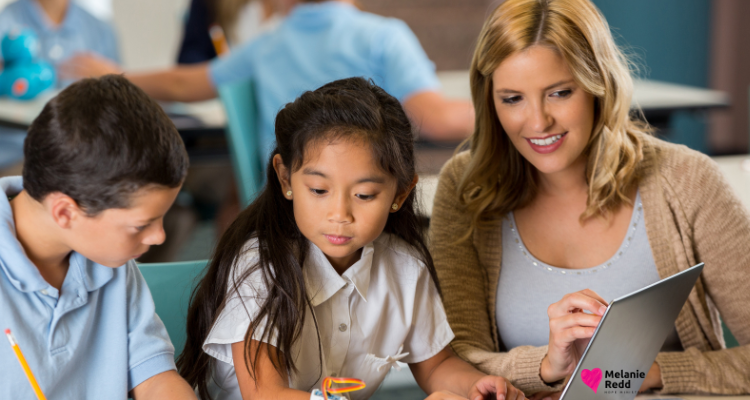
Private education is a significant investment in time, energy, and resources, but yields substantial returns. Students in private schools benefit from smaller class sizes, more engaged faculty, and individualized attention. Private schools also foster significant academic achievement, higher college admission rates, and greater participation in enrichment activities.
Beyond academics, private schools foster peer networks, leadership skills, and community involvement that carry over into adult life. They also develop creativity, critical thinking, and resilience, which are beneficial in college and the workforce. Families can weigh the short-term sacrifice against the lasting legacy of a private school education.
Were you encouraged by what you read?
Then, would you share this article with a friend, co-worker, or family member?
Or, maybe you can send it to a friend or family member?
This blog occasionally uses affiliate links and may contain affiliate links.
Additionally, Melanie Redd is a participant in the Amazon Services LLC Associates Program.
This is an affiliate advertising program designed to provide a means for sites to earn advertising fees. These are earned by advertising and linking to Amazon.com.
Also, for more on my disclosure policy, click HERE.
© Melanie Redd and Hope Ministry, 2025. Unauthorized use and/or duplication of this material without express and written permission from this blog’s author and/or owner is strictly prohibited.
Further, excerpts and links may be used, provided that full and clear credit is given to Melanie Redd and Hope Ministry.
Please give appropriate and specific directions to the original content.
Smart Strategies for Making Private School Tuition More Accessible for Families




0 Comments