Creating Outdoor Spaces Where Kids Play, Learn, and Pray Together
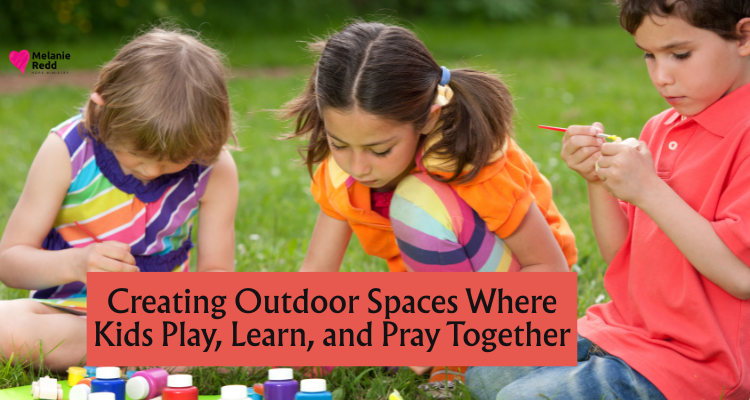
Creating Outdoor Spaces Where Kids Play, Learn, and Pray Together
Imagine a world where every child’s face lights up with joy as they step into an outdoor space thoughtfully designed just for them—a sacred place where faith, learning, and play intertwine seamlessly.
In today’s fast-paced world, creating welcoming outdoor environments at churches and schools has become more crucial than ever, as these spaces serve as powerful catalysts for spiritual growth, physical development, and community building.
By exploring expert-backed design principles and community-driven maintenance strategies, this guide will empower parents, pastors, and teachers to transform ordinary outdoor areas into extraordinary havens where children can forge lasting connections with their faith while developing essential life skills through play and exploration.
Welcoming Outdoor Environments for Learning and Faith
Thoughtfully designed outdoor spaces at schools and churches create powerful opportunities for spiritual growth and development. These environments serve as extensions of indoor learning spaces, where children can freely express themselves while building meaningful connections with their faith community. By incorporating colorful school playground equipment that sparks imagination and encourages movement, these spaces become catalysts for holistic child development.
Modern lifestyles have drastically reduced children’s outdoor experiences. Studies reveal that kids today spend just four to seven minutes in unstructured outdoor play daily. This limited exposure to nature and free play can impact a child’s overall development, making it crucial to create inviting outdoor spaces that encourage regular interaction.
Add natural elements that inspire wonder and creativity. Ensure open spaces for group activities and social interaction, and quiet corners for reflection and prayer. Set up age-appropriate play structures that support physical development, while ensuring safe surfaces and clear sight lines for proper supervision.
Creating these enriching spaces requires careful planning and community involvement. When children experience positive interactions in these environments, they’re more likely to form lasting connections with their faith community and develop healthy lifestyle habits that continue into adulthood.
Enhancing Health and Vision Through Outdoor Play
Active outdoor play improves children’s health, with remarkable benefits extending far beyond physical fitness. Fresh air and natural light create perfect conditions for developing strong bodies and sharp minds. Research shows that kids who spend regular time outdoors experience significant improvements in their visual development.
Kids who embrace outdoor activities gain incredible advantages for their eyesight. The experience of better distance vision helps children process their surroundings more effectively. Additionally, evidence of reduced nearsightedness rates demonstrates the power of outdoor exposure for young eyes.
Set up nature scavenger hunts that combine physical activity with discovery and organize group games that promote movement and social interaction. Create outdoor reading circles under shady trees and install play equipment that encourages climbing and balanced movement.
These purposeful activities help children develop a natural appreciation for outdoor spaces while supporting their physical development. By incorporating elements of play and exploration, we can make outdoor time an essential part of every child’s daily routine, setting them up for healthier futures.
|
Quote: “Anything you can teach in an indoor classroom can be taught outdoors, often in ways that are more enjoyable for children.” – Cathy James |
Design Principles that Foster a Sense of Belonging
Creating outdoor spaces that blend natural elements with spiritual symbolism opens up remarkable opportunities for children to connect with their faith and community. From gentle water features to prayer gardens filled with native plants, these thoughtful additions help kids develop deeper connections to their surroundings while nurturing their spiritual growth.
The most effective outdoor spaces incorporate features that speak to multiple senses and abilities. These inclusive environments should reflect careful consideration of every child’s needs. Strategic placement of engaging elements encourages exploration while maintaining safety and accessibility for all visitors.
The layout of these spaces plays a vital role in creating welcoming atmospheres where families build lasting bonds. Wide, clear pathways allow parents with strollers to move freely while chatting with friends. Comfortable seating areas positioned throughout encourage casual conversations and community building.
When children see their unique needs thoughtfully considered in the design, they’re more likely to feel truly at home in these sacred spaces.
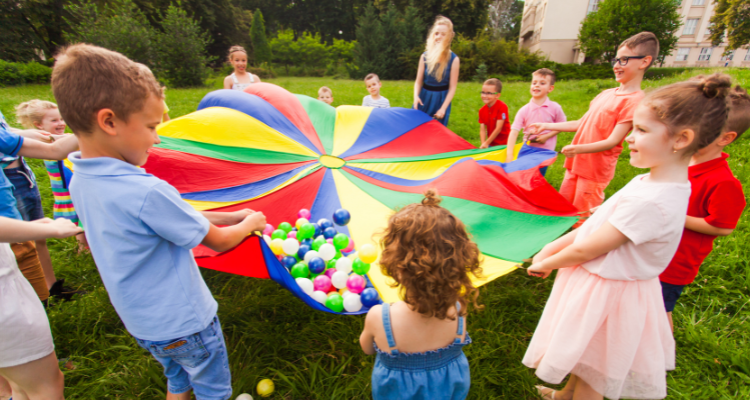
Sustaining Joyful Community Spaces
Maintaining vibrant outdoor spaces requires consistent attention and care from dedicated community members. Regular upkeep of playground equipment and surrounding areas isn’t just about safety – it’s about creating lasting environments where children can thrive. By implementing systematic maintenance routines, churches and schools can preserve these sacred spaces for years to come.
The power of community involvement shines through in playground maintenance. When families pitch in together, they don’t just clean and repair – they build meaningful connections and create shared memories. These collaborative efforts help develop a deeper sense of stewardship among community members.
How can you involve the community? Schedule monthly maintenance days where families can participate in cleaning and basic repairs. Create rotating teams of volunteers to inspect equipment and grounds weekly and set up a system to report and address safety concerns quickly. Document all maintenance activities and inspections for future reference.
Listening to feedback from children and families who use these spaces daily makes a real difference. Their insights help shape improvements that keep the area fresh and engaging. Whether it’s adding new sensory elements or adjusting the layout for better flow, these suggestions ensure the space stays dynamic and meaningful for everyone who visits.
|
Quote: “In our plan for the education of little children, we must create an attractive environment. Into this environment we must put everything that is good for the child.” – Maria Montessori |
Designing for Purpose and Belonging
Creating welcoming outdoor spaces for children’s spiritual and physical development has become vital in today’s screen-dominated world. Through thoughtful design principles, regular maintenance, and community involvement, these sacred spaces can transform into powerful catalysts for holistic child development and faith formation.
The insights shared demonstrate how intentionally crafted outdoor environments can nurture children’s physical health, social connections, and spiritual growth while fostering a deep sense of belonging that extends far beyond childhood.
Were you encouraged by what you read?
Then, would you share this article with a friend, co-worker, or family member?
Or, maybe you can send it to a friend or family member?
This blog occasionally uses affiliate links and may contain affiliate links.
Additionally, Melanie Redd is a participant in the Amazon Services LLC Associates Program.
This is an affiliate advertising program designed to provide a means for sites to earn advertising fees. These are earned by advertising and linking to Amazon.com.
Also, for more on my disclosure policy, click HERE.
© Melanie Redd and Hope Ministry, 2025. Unauthorized use and/or duplication of this material without express and written permission from this blog’s author and/or owner is strictly prohibited.
Further, excerpts and links may be used, provided that full and clear credit is given to Melanie Redd and Hope Ministry.
Please give appropriate and specific directions to the original content.




0 Comments